
Should My Business Start a YouTube Channel? A UK Small Business Guide
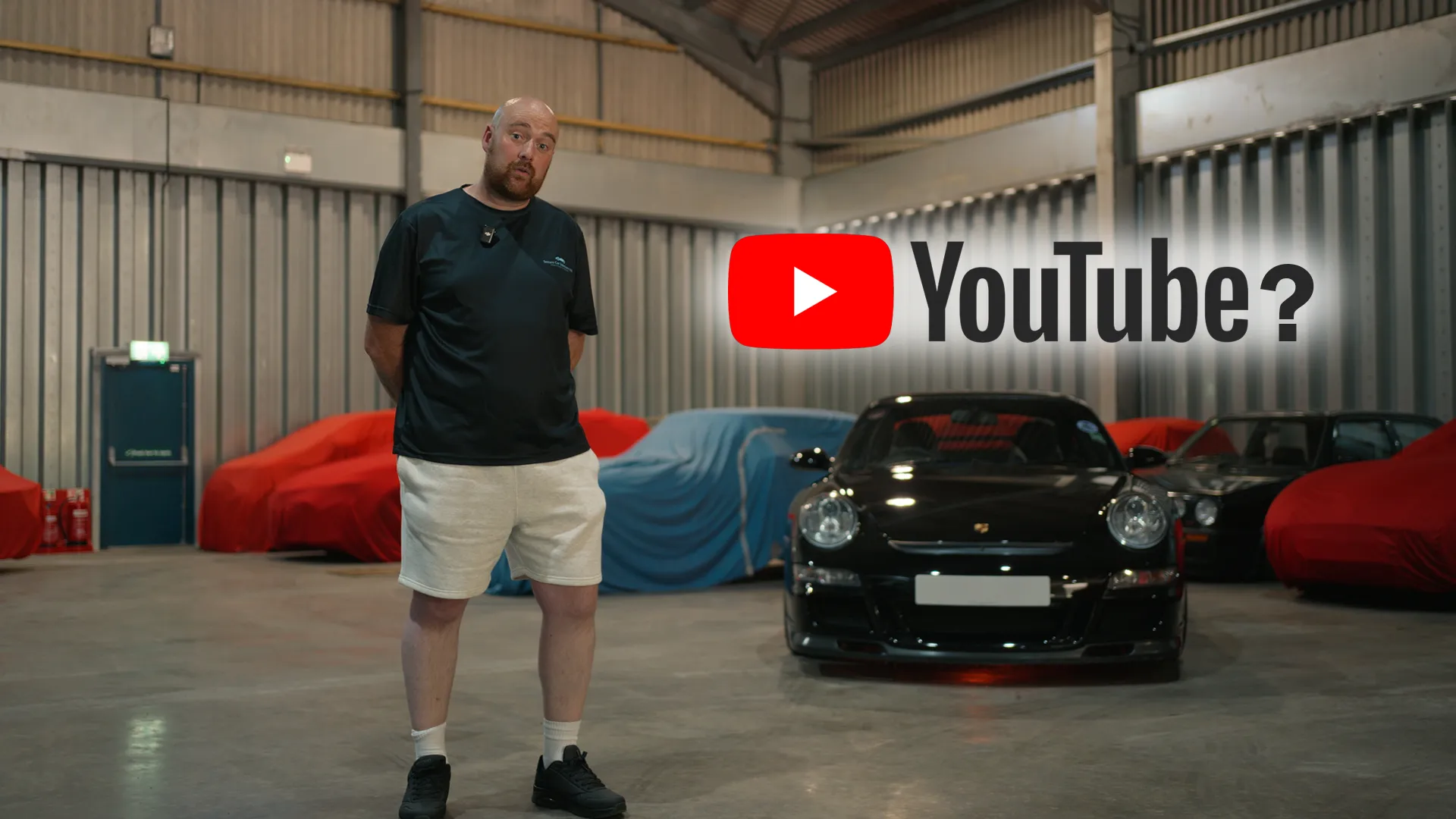
This guide walks through who YouTube is right for, what to post, how often, and something most business owners overlook: how a YouTube channel can directly improve how your website ranks on Google.
Is YouTube Actually Worth It for a Small Business?
YouTube is the second largest search engine in the world, behind Google itself. People don't just go there for entertainment. They go there to research, compare, and decide who to buy from or hire, in exactly the same way they'd type a question into Google.
If someone in your area searches "how much does [your service] cost" or "what does [your service] actually involve", a well-made video answering that question has a real chance of appearing in the results, right alongside written articles. For many service-based businesses, that's an opportunity written content alone can't reach.
That said, YouTube isn't automatically right for every business. It tends to work best when:
- Your customers do research before buying (rather than making instant, impulse purchases)
- You can answer common customer questions on camera
- You're comfortable showing your work, your team, or your process
- You can commit to posting somewhat regularly, rather than a single upload and nothing after
If none of that fits your business, your time might be better spent elsewhere. But for most trades, services, and product-based businesses, a channel builds an asset that keeps working long after it's published.
What Should a Small Business Actually Post on YouTube?
This is where most businesses get stuck. You don't need to be an entertainer, and you don't need a script that sounds like a corporate advert. The videos that tend to perform best for small businesses fall into a few simple categories:
Answer real customer questions. Think about the questions you get asked on the phone or in person every week. Each one is a potential video. If customers keep asking "how long does this take" or "what's included in the price", answer it on camera. There's a good chance that people or clients are regularly searching for the answers to these questions. If you're answering them, there's a good chance they'll begin to see you as a someone to trust on the subject.
Show the process. Behind-the-scenes footage of how you work builds trust in a way that polished adverts don't. People want to see the real thing, not a performance.
Case studies and results. A short video walking through a recent project, what the client needed, and how it turned out, does far more heavy lifting than a written testimonial on its own.
Introduce the people behind the business. Especially if you're a sole trader or small team, letting people see and hear from you directly builds the kind of trust that turns a browser into an enquiry.
You don't need any of these to be highly produced. Consistency, clarity and a clear goal beat perfection every time.

How Often Do You Need to Post?
A realistic starting point for most small businesses is one video every two to four weeks. That's manageable alongside running the business itself, and it's enough to start building a library of content that keeps generating views and enquiries over time.
If that still feels like a lot, the good news is that one shoot day can often be turned into several videos, plus social clips and written content, rather than needing a new shoot for every single upload.
How YouTube Ties Into Your Website's SEO
This is the part most business owners don't realise, and it's arguably the biggest reason to take YouTube seriously.
Google surfaces YouTube videos directly in search results. When someone searches a question related to your business, Google doesn't just show websites. It often shows videos too, sometimes right at the top of the page. A YouTube video optimised around the right topic can appear in Google search even before your website does.
Video transcripts feed AI-powered search results. Search platforms increasingly pull from what's actually said in a video, not just the title or description, to generate answers. This means the content of your video, not just how polished it looks, plays a real role in whether it gets found.
One video can become several pieces of SEO content. A video's transcript can be turned into a structured web page, addressing the same question in written form. This gives you two separate assets, a video and a page, both targeting the same search term, both linking back to each other. Done well, this is one of the most efficient ways for a small business to build out genuinely useful, search-friendly content without starting from a blank page every time.
Embedded videos improve how long people stay on your website. Google pays attention to how visitors behave on a page. A relevant video that keeps someone watching, rather than a wall of text, tends to keep people on the page longer, which is a positive signal for your site's ranking.
Put simply, a YouTube channel and a website's SEO aren't separate efforts. They work best when they're built to support each other.
A Realistic Starting Point
You don't need a full content calendar or a studio setup to begin. A sensible first step looks like:
Pick three to five questions your customers ask most often
Film simple, honest answers to each one
Publish them as individual YouTube videos with clear titles
Turn each transcript into a short page or blog post on your website
Review what got the most views or enquiries, then do more of that
From there, it's a case of building consistency rather than chasing perfection.
Getting Help With It
If you'd like a hand planning or filming your first batch of videos, get in touch with Prysmos for a chat about what would work for your business.
Ready To Elevate
Your Brand?
Thinking about starting a YouTube channel but not sure where to begin? I help businesses plan, film, and edit video content built to rank, not just look good. That means the video itself, plus the SEO-optimised page to go with it, so your investment actually brings in enquiries.
Let’s bring your next project to life.